✨ Takeaways
- "Dark factories" are automated facilities that rely heavily on AI and robotics, requiring minimal human labor.
- This shift poses significant challenges for China's already strained labor market, exacerbated by ongoing tariffs.
- The trend towards automation may redefine manufacturing efficiency, but it raises questions about job displacement and economic stability.
The Rise of Dark Factories: AI and Robotics Set to Transform China's Labor Market
The Emergence of Dark Factories
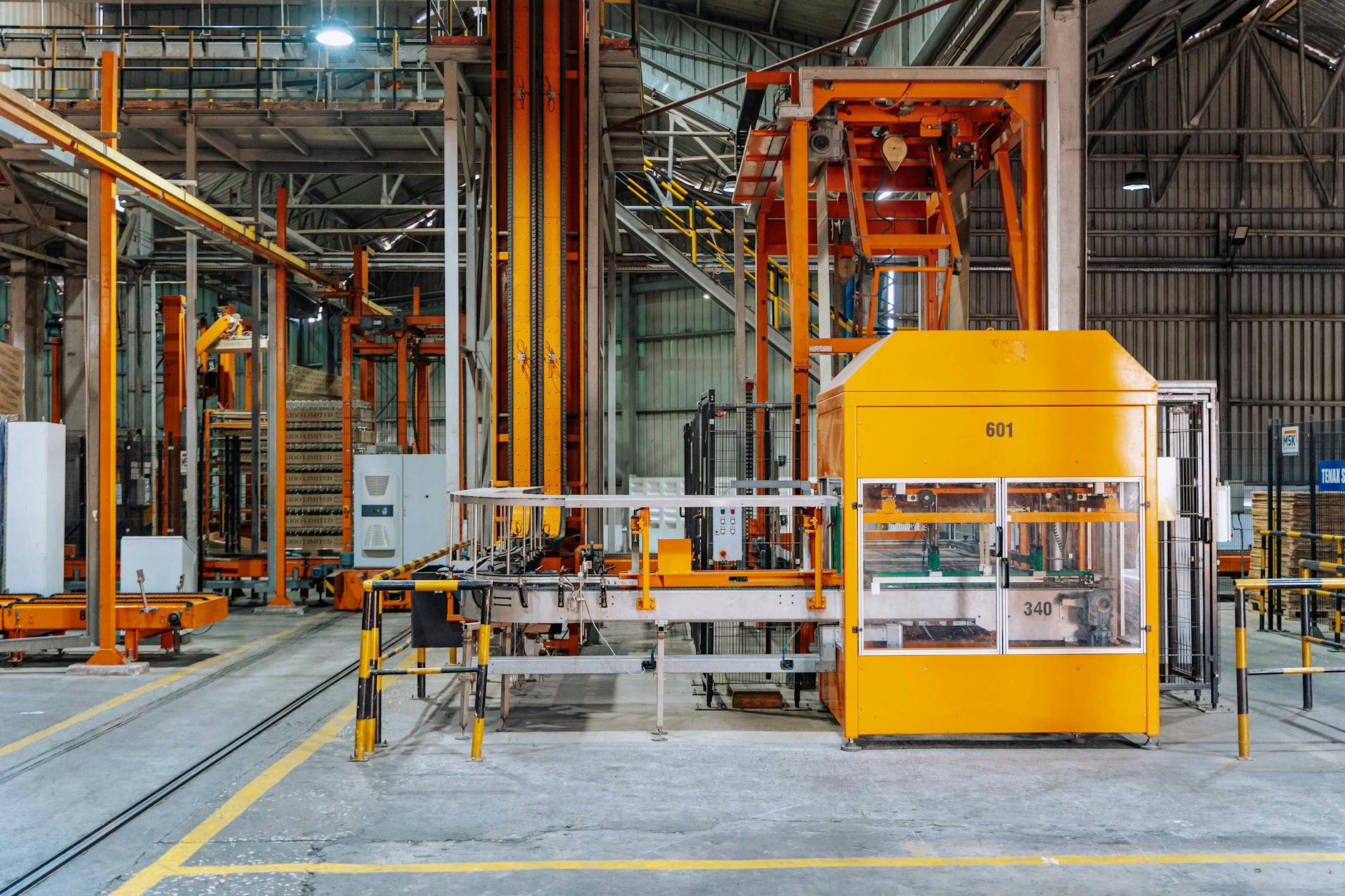
In a bold move towards automation, China is witnessing the rise of "dark factories"—fully automated manufacturing facilities that operate with little to no human intervention. Powered by advanced AI systems and robotics, these factories are designed to optimize production efficiency while minimizing labor costs. As global competition intensifies and tariffs continue to impact traditional manufacturing, the adoption of such technologies is not just a trend; it's becoming a necessity for survival in the market.
These dark factories leverage sophisticated technologies, including machine learning algorithms for predictive maintenance and robotics for assembly line tasks. With the ability to operate around the clock without breaks, they can dramatically increase output while reducing overhead costs. For practitioners in the field, this shift means a potential reallocation of resources towards maintaining and programming these automated systems rather than managing a large workforce.
Impacts on Labor and Economy
The implications of this shift are profound. As dark factories proliferate, they threaten to displace millions of factory workers across China, a country already grappling with economic pressures from tariffs imposed by global trade tensions. The transition to automation could exacerbate unemployment rates, particularly in regions heavily reliant on manufacturing jobs. What happens to the workforce that has powered China's economic surge for decades?
Economists warn that while automation can lead to increased productivity, it also raises significant concerns about social stability. The potential for widespread job loss could lead to increased unrest, especially in areas where alternative employment opportunities are scarce. For software engineers and ML practitioners, this scenario presents both a challenge and an opportunity. Developing solutions that can facilitate the transition for displaced workers into new roles in tech or service industries will be crucial.
The Future of Manufacturing
As the landscape of manufacturing evolves, the question remains: how will companies balance the benefits of automation with the societal impacts it brings? The rise of dark factories signals a shift towards a new era of manufacturing, one that prioritizes efficiency and cost-effectiveness over traditional labor. For engineers and technologists, the challenge will be to innovate not just in automation but also in creating pathways for human workers to adapt and thrive in this changing environment.
In conclusion, the advent of dark factories in China is not merely a technological advancement; it represents a seismic shift in the labor market that could redefine the future of work. As we stand on the brink of this new industrial revolution, the choices made today will shape the economic landscape for generations to come.