✨ Takeaways
- Lenovo's latest T-series ThinkPads achieve a perfect score for repairability, marking a significant milestone in the business laptop category.
- The T14 Gen 7 and T16 Gen 5 models reflect a two-year journey of iterative design improvements focused on user serviceability.
- This shift towards repairable design could set a new standard for commercial laptops, challenging the status quo of disposable tech.
Lenovo’s New T-Series ThinkPads Score 10/10 for Repairability
A New Era of Repairability
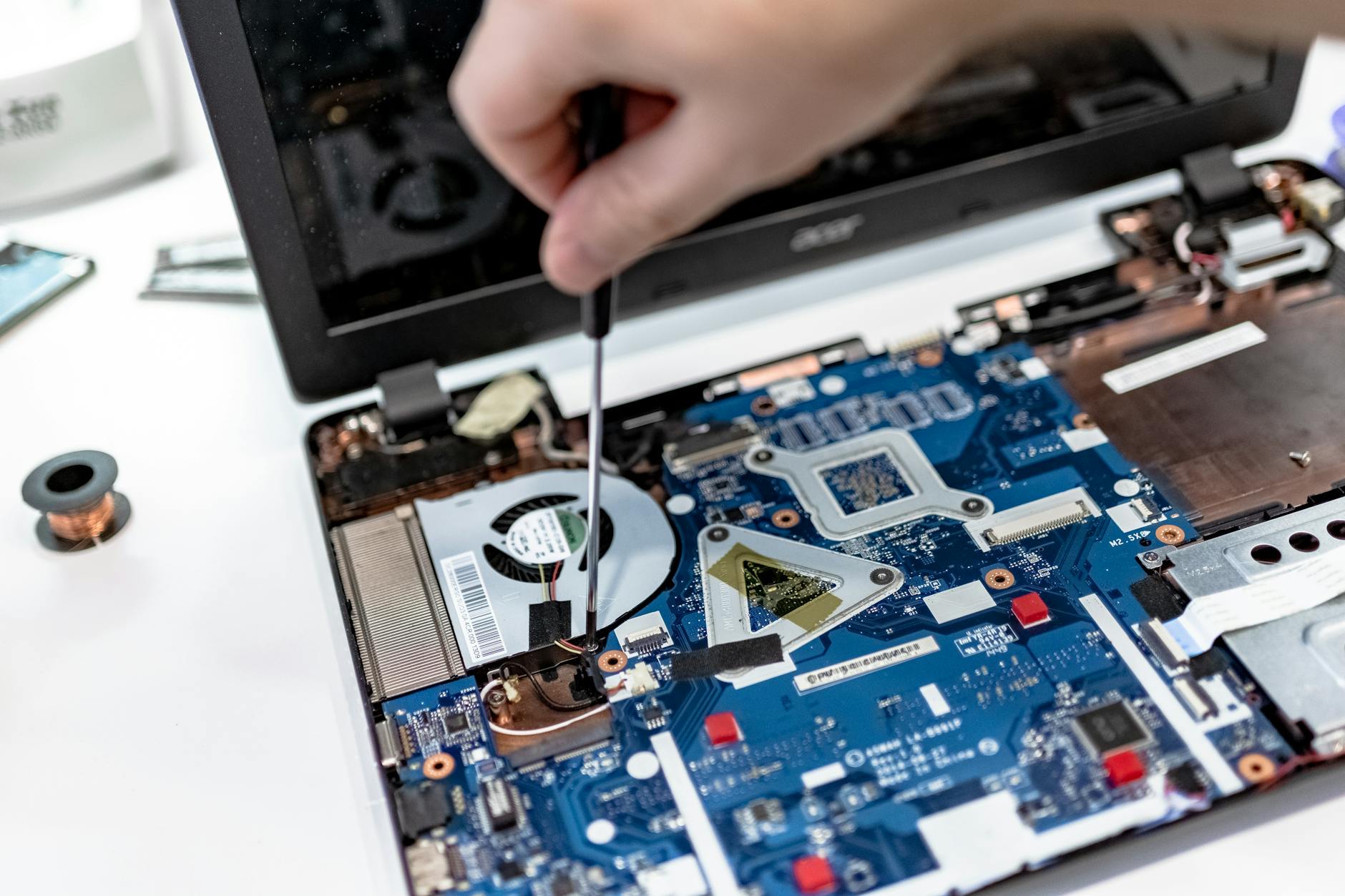
In a world increasingly aware of sustainability, Lenovo's latest T-series ThinkPads are making waves by scoring a perfect 10/10 on the repairability scale. This is no small feat; it marks the first time the T-series has achieved such a high rating, a significant milestone for a line of laptops that has long been the backbone of corporate IT. The T14 Gen 7 and T16 Gen 5 models are designed to withstand the rigors of daily use, from relentless commutes to the occasional coffee spill, and now they come with the added bonus of being easily repairable.
This shift is more than just a nod to tinkerers and DIY enthusiasts; it signals a broader trend where repairability is becoming a core feature of mainstream business laptops. Lenovo's collaboration with iFixit, a company known for its repairability assessments, has been pivotal. The partnership aimed to redefine what it means to design a laptop that is not only robust in performance but also easy to service. The score is provisional for now, pending the release of official parts and instructions, but the implications are clear: repairability is no longer an afterthought.
The Journey to Perfection
Achieving a perfect score didn’t happen overnight. Lenovo's journey began two years ago when it introduced a repairability-focused generation of ThinkPad T14 laptops that scored an impressive 9/10. The company worked closely with iFixit, iterating on feedback to enhance the design. This iterative process involved disassembling prototypes, evaluating each component, and making necessary adjustments. Lenovo didn’t rest on its laurels after the initial success; instead, it continued to push boundaries, refining the design to ensure that repairability was not just possible but practical.
Christoph Blindenbacher, Director of ThinkPad Product Management, emphasized that this level of repairability requires a disciplined engineering approach. It’s about making intentional decisions that consider the end-user experience throughout the device's lifecycle. Each design choice impacts not only repairability but also performance, reliability, and thermal efficiency, creating a delicate balance that Lenovo has successfully navigated.
Setting a New Standard
The implications of Lenovo's achievement extend beyond its own product line. By prioritizing repairability, Lenovo is setting a new standard for commercial laptops. This could encourage other manufacturers to rethink their approach to product design, moving away from the disposable tech mentality that has dominated the industry for years. As businesses and consumers alike become more conscious of sustainability, the demand for repairable devices will likely increase.
In a market where many laptops are designed with planned obsolescence in mind, Lenovo's T-series ThinkPads stand out as a beacon of hope. They demonstrate that it is possible to create high-performance devices that are also user-friendly when it comes to repairs. This could very well be the turning point for the industry, where repairability becomes not just a feature, but a fundamental expectation.