✨ Takeaways
- A semi-professional baker takes on the challenge of baking at the South Pole.
- The Amundsen-Scott South Pole Station serves as both a scientific hub and a unique culinary setting.
- The stark beauty of Antarctica serves as an inspiring backdrop for creativity and resilience.
Baking in the Antarctic: A Journey to the South Pole's Unique Kitchen
A Journey to the Frozen Frontier
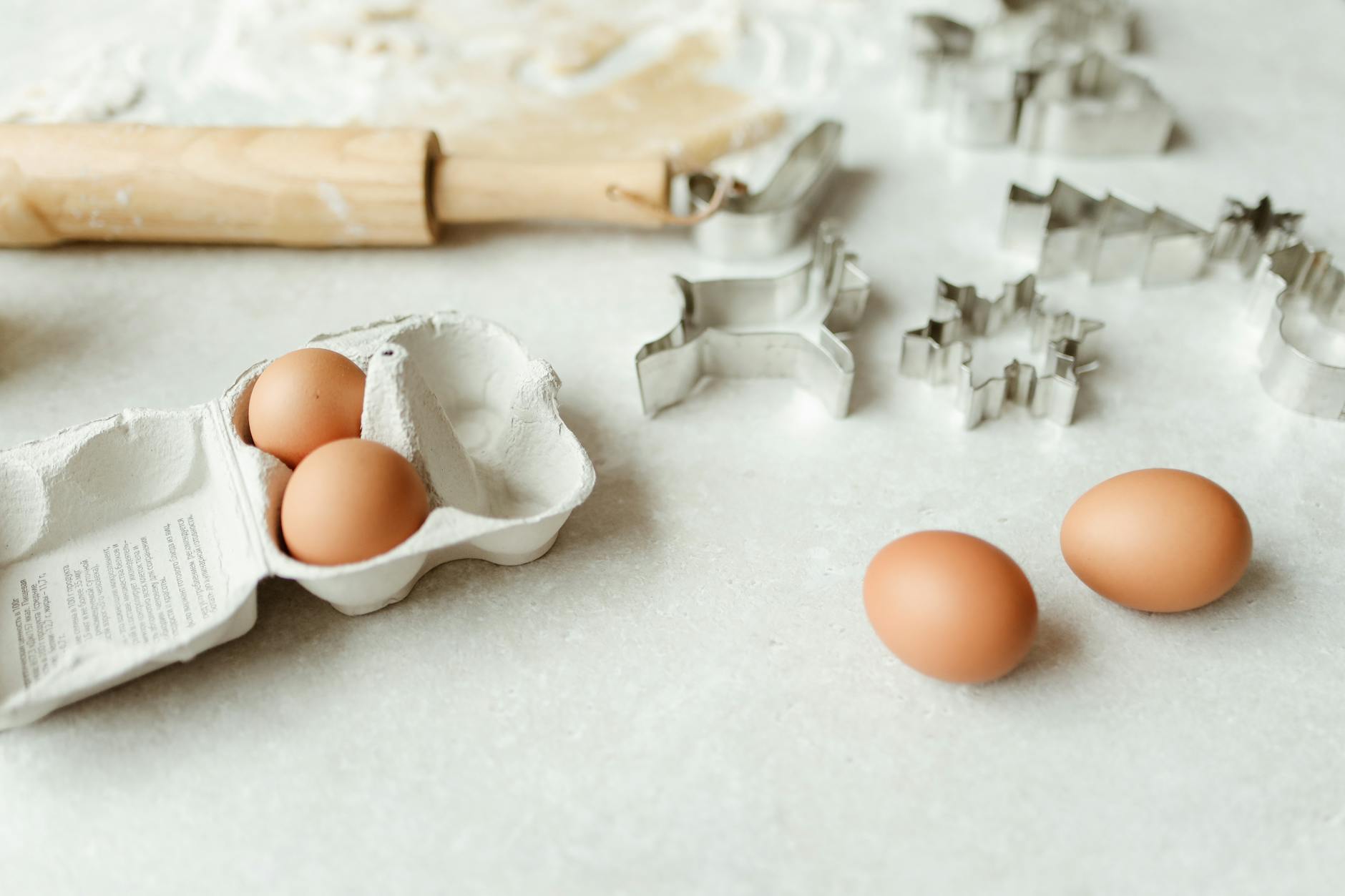
It was a frigid morning at the South Pole—negative forty-five degrees Fahrenheit, to be precise—when a Basler propeller ski-plane took off from Williams Field, a runway crafted from compacted snow. Among the fourteen passengers was a semi-professional baker, eager to trade the bustling streets of New York City for the serene, icy expanse of Antarctica. As the plane soared over the Transantarctic Mountains and the legendary Beardmore Glacier, the baker's thoughts drifted to the fragile cookie cutters and baker’s scale nestled deep in their duffel bag, a reminder of the culinary adventure that awaited.
The allure of Antarctica is magnetic, a blend of rugged beauty and the promise of solitude. For those drawn to the extremes, it offers a chance to test one’s limits. The baker's decision to leave behind a familiar life for the unknown was not taken lightly. Yet, as they gazed out at the vast, white landscape, it became clear: this was not just a job; it was a calling. The landscape, both daunting and beautiful, echoed the sentiments of explorers like Apsley Cherry-Garrard and Robert Falcon Scott, who faced their own challenges in this unforgiving environment.
The Amundsen-Scott South Pole Station: A Culinary Oasis
Upon arrival, the baker was greeted by the Amundsen-Scott South Pole Station, a marvel of modern engineering perched atop the glacier. Completed in 2008, this facility is the third iteration of a U.S. research station at the geographic South Pole, each previous version succumbing to the relentless advance of ice. The station's sleek, dark metal exterior gleamed against the stark white backdrop, a testament to human ingenuity in one of the most inhospitable places on Earth. Here, the baker would not only create culinary delights but also contribute to the station's mission of scientific research.
The South Pole Station serves as a hub for scientists studying climate change, astronomy, and glaciology. However, it also offers a unique culinary experience for those stationed there. The challenges of baking in such extreme conditions are manifold: low temperatures, high altitudes, and the need to conserve resources. Yet, these hurdles present an opportunity for creativity. How does one adapt traditional baking techniques to a place where the air is thin and the ingredients are limited? The baker's adventure is not just about making bread; it’s about innovating in the face of adversity.
A Culinary Adventure Amidst the Ice
As the baker settles into their role, the experience becomes a blend of exploration and artistry. The act of baking transforms into a metaphor for resilience and adaptability. Each loaf of bread, each batch of cookies, represents not just sustenance but a connection to the world beyond the ice. In a place where the sun barely sets and the temperatures plunge, the warmth of a freshly baked treat can offer comfort and camaraderie among the researchers.
This journey to the South Pole is a reminder of the human spirit's capacity for adventure and creativity, even in the most extreme environments. It raises a question: what can we learn from those who dare to venture into the unknown? As the baker embarks on this unique culinary journey, they not only feed their fellow researchers but also nourish the soul, proving that even in the coldest places, warmth can be found in shared experiences and the simple joy of baking.