✨ Takeaways
- The anticipated swift reopening of the Strait of Hormuz is becoming increasingly uncertain.
- Shipowners are hesitant to resume transits without assurance of safety for their crews and vessels.
- The geopolitical implications of a prolonged closure could ripple through global trade.
Hormuz Closure: The Unraveling of Assumptions
A Deteriorating Situation
As the Middle East conflict enters its sixth day, the optimism surrounding a quick resolution to the closure of the Strait of Hormuz is waning. Initially, many experts believed that the disruption would be short-lived, a mere hiccup in the complex web of international shipping. However, the reality on the ground suggests otherwise. With tensions escalating, the prospect of a swift reopening now seems more like a distant dream than an imminent reality.
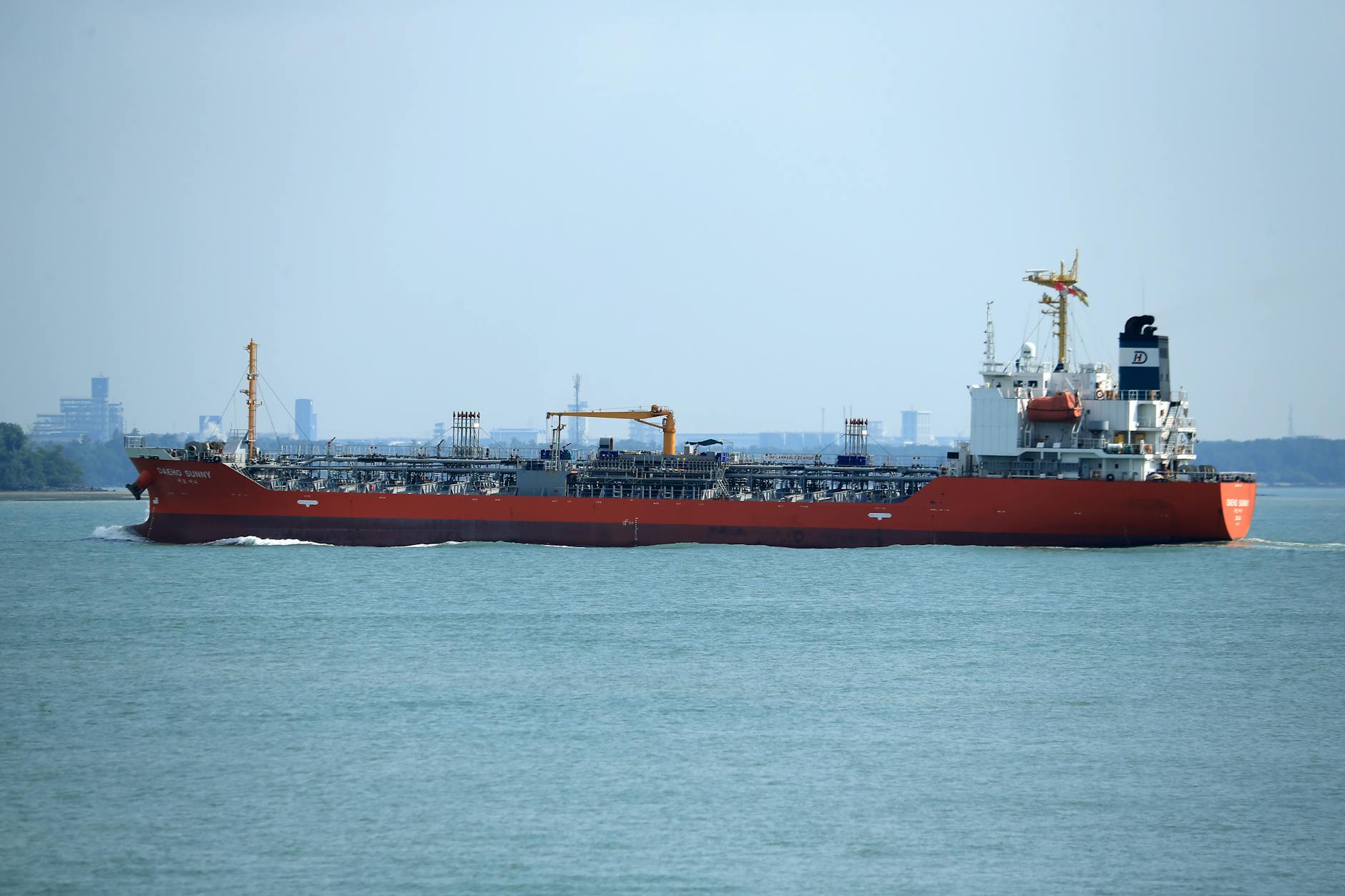
The Strait of Hormuz is a critical chokepoint for global oil shipments, with approximately 20% of the world's oil passing through its waters. Shipowners are now grappling with the stark reality that a return to normalcy may not be just around the corner. The uncertainty surrounding the safety of this vital maritime route is causing significant concern among shipping companies, which are weighing the risks of sending vessels into potentially hostile waters.
Safety Concerns Take Center Stage
For shipowners, the primary consideration is the safety of their crews and assets. As the situation continues to evolve, many are adopting a wait-and-see approach, refraining from resuming transits until they receive clear assurances about the security of the route. This cautious stance is understandable; after all, the stakes are high, and the implications of a single miscalculation could be catastrophic.
It has been reported that the longer the closure persists, the more likely it is to impact global oil prices and supply chains. The ripple effects could extend beyond just the oil market, affecting various sectors that rely on timely deliveries. For practitioners in logistics and supply chain management, this situation serves as a stark reminder of the fragility of global trade routes and the cascading effects that geopolitical tensions can have on business operations.
The Bigger Picture
The potential for a prolonged closure of the Strait of Hormuz raises critical questions about the future of maritime security and international trade. Could this situation lead to a reevaluation of shipping routes? Will companies invest in alternative logistics strategies to mitigate risks? As the world watches the unfolding events, the implications extend far beyond the immediate region, prompting a broader discussion about the resilience of global supply chains in the face of uncertainty.
In the coming days, the focus will be on diplomatic efforts aimed at de-escalating tensions and restoring safe passage through this vital waterway. However, until shipowners are convinced that the route is secure, the hope for a swift resolution may remain just that—a hope. As the situation develops, stakeholders across industries will need to stay vigilant and adaptable, ready to respond to the evolving landscape of maritime trade.