✨ Takeaways
- FLASH radiotherapy delivers ultrahigh-power radiation in a fraction of a second, sparing healthy tissue.
- Theryq's FLASHKNiFE system, developed in collaboration with CERN, targets superficial tumors with electron beams.
- This innovative approach could revolutionize cancer treatment by reducing side effects and improving patient outcomes.
The Millisecond That Could Change Cancer Treatment
A New Dawn in Cancer Treatment
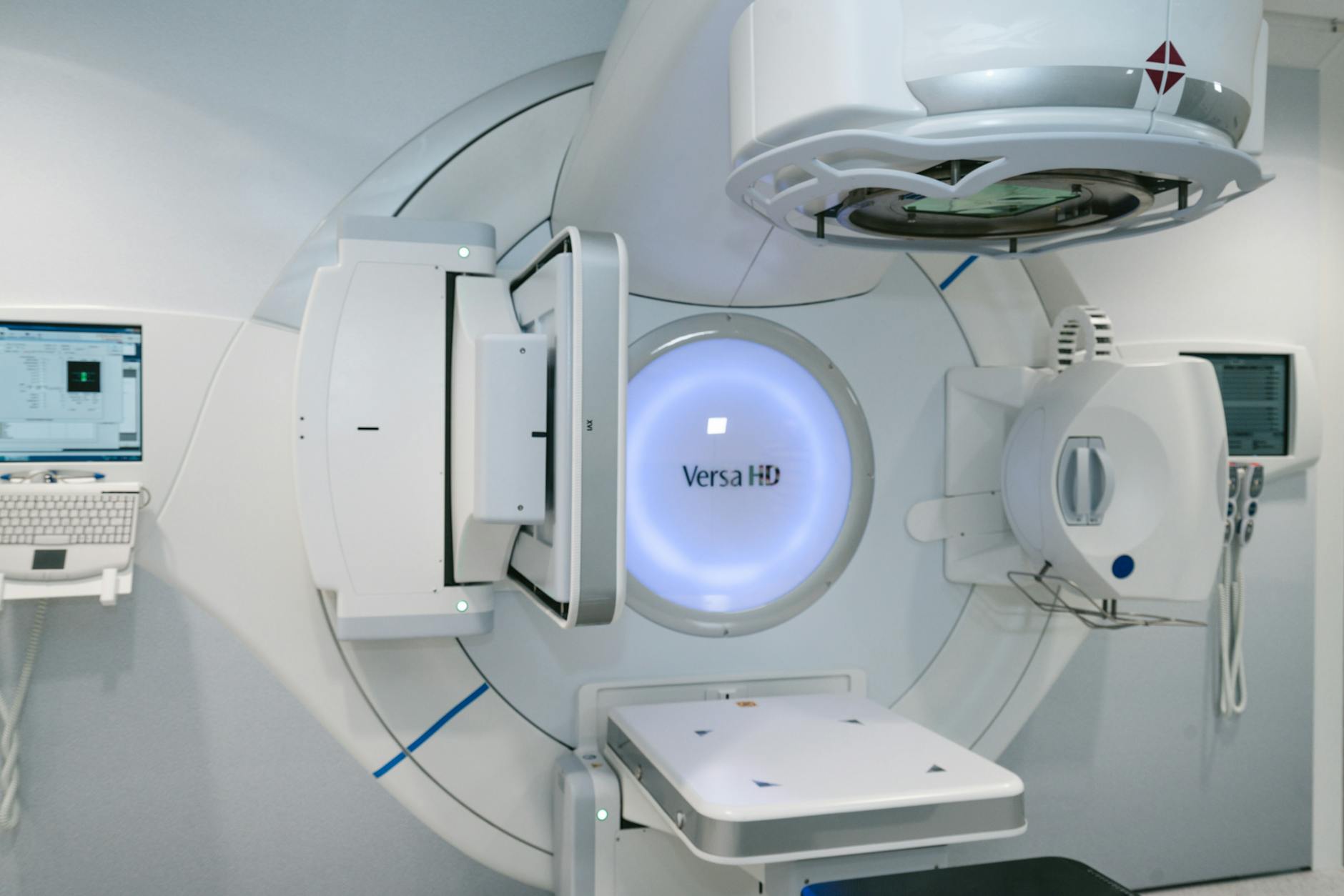
In a groundbreaking collaboration between the French company Theryq and CERN, a novel approach to cancer treatment is emerging: FLASH radiotherapy. This technique utilizes ultrahigh-power radiation delivered in a rapid burst—typically lasting less than one-tenth of a second—to target tumors while minimizing damage to surrounding healthy tissue. The FLASHKNiFE system, developed by Theryq, employs electron beams of 6 or 9 megaelectron volts specifically aimed at superficial tumors. This could be a game-changer for oncologists and patients alike.
Traditionally, radiation therapy has been a staple in cancer treatment, with over half of all cancer patients receiving it. However, the conventional method involves delivering low doses of radiation over multiple sessions, which, while effective at killing tumors, often leads to collateral damage in healthy tissues. The FLASH technique, on the other hand, flips this paradigm by administering a single, powerful dose that has shown to cause significantly less injury to normal tissue without sacrificing its antitumor efficacy.
The Science Behind FLASH
The origins of FLASH therapy can be traced back to experiments at the Institut Curie in the 1990s. Researcher Vincent Favaudon initially aimed to study radiation chemistry by targeting mouse lungs with a low-energy electron accelerator. To his astonishment, when he applied ultrafast bursts of radiation at doses a thousand times higher than conventional therapy, he observed no expected fibrosis—a common side effect of radiation treatment. This unexpected result prompted further investigation, leading to collaboration with radiation biologist Marie-Catherine Vozenin, who confirmed the absence of fibrosis in the treated tissues.
The implications of this discovery are profound. By leveraging the principles of particle physics, researchers at CERN are refining FLASH therapy using accelerators originally designed for high-energy physics experiments. If ongoing studies continue to validate these findings, FLASH radiotherapy could not only enhance treatment efficacy but also broaden access to life-saving care for cancer patients.
Engineering Context and Future Prospects
For practitioners in the field, the development of FLASH therapy represents a significant engineering challenge and opportunity. The integration of particle physics technology into medical applications requires a multidisciplinary approach, combining expertise from accelerator physics, radiation biology, and clinical oncology. As researchers at CERN and Theryq work to optimize the FLASHKNiFE system, the potential for improved patient outcomes is palpable.
As the medical community eagerly anticipates the results of ongoing trials, one thing is clear: FLASH radiotherapy could redefine the landscape of cancer treatment. With its promise of stronger therapies and reduced side effects, this innovative approach may soon become a cornerstone of oncological care, ushering in a new era of hope for patients facing this devastating disease.