✨ Takeaways
- The Scroll Lock key, once a staple for navigating spreadsheets, has resurfaced in modern UI design.
- Streaming platforms like Netflix and HBO Max have adopted a Scroll Lock-like approach, prompting mixed reactions from users.
- This nostalgic feature raises questions about the evolution of user interface solutions and their impact on usability.
Lock Scroll with a Vengeance: A Nostalgic Dive into UI Design
The Scroll Lock Legacy
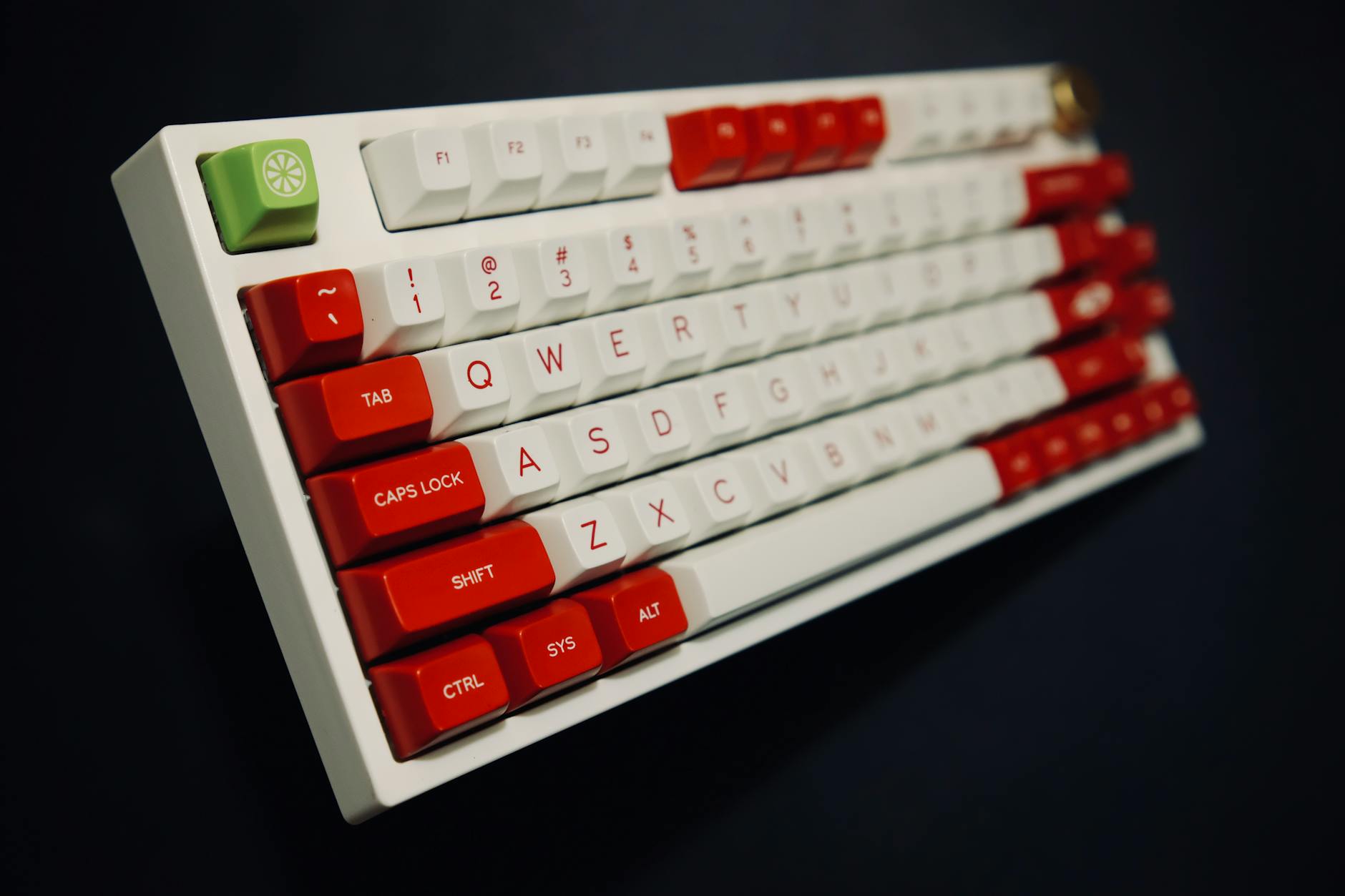
The Scroll Lock key, often overshadowed by its more popular counterparts—Caps Lock and Num Lock—has a rich history rooted in the early days of computing. Originally designed to enhance navigation in spreadsheet applications like Lotus 1-2-3, Scroll Lock transformed the functionality of arrow keys from cursor movement to scrolling through large datasets. Before the advent of mice and trackpads, this was a game-changer. But as technology evolved, so did our methods of interaction, leading many to wonder: is it time for Scroll Lock to make a comeback?
Fast forward to today, where the Scroll Lock concept has resurfaced in a surprising context—streaming applications. Platforms like Netflix and HBO Max have adopted a scrolling mechanism reminiscent of the original Scroll Lock functionality. Instead of moving the cursor, these apps keep the selection fixed while scrolling through content. This design choice has sparked conversations about usability and user experience, with some users feeling a sense of nostalgia while others find it disorienting.
A Double-Edged Sword
The new Scroll Lock-esque approach in streaming apps raises important questions about user interface design. While the intention behind this feature may be to streamline navigation, it can feel claustrophobic and counterintuitive. Users accustomed to traditional scrolling might find themselves grappling with an unfamiliar experience, leading to frustration. The challenge lies in balancing innovation with user familiarity—how do designers create intuitive experiences that resonate with users?
Interestingly, this shift in UI design echoes a broader trend in technology where old solutions are reimagined for new contexts. Just as Scroll Lock was born out of necessity, today's designers are faced with the challenge of addressing modern problems with innovative solutions. However, as we see with the streaming platforms, not every retro-inspired feature is a hit. The key takeaway here is that while nostalgia can be a powerful design tool, it must be wielded carefully.
The Future of UI Design
As we reflect on the Scroll Lock phenomenon, it’s essential to consider the implications for future user interface design. Are we destined to repeat the past, or can we learn from it? The resurgence of Scroll Lock-like features in modern applications serves as a reminder that UI problems are often cyclical. They may evolve, but they rarely disappear completely. For practitioners in the field, this presents an opportunity to innovate while remaining mindful of user expectations and experiences.
In the end, the question remains: will the Scroll Lock with a vengeance lead to a new era of user interface design, or will it fade into obscurity once more? Only time will tell, but one thing is certain—our relationship with technology is as complex as ever, and the journey of exploration continues.